
Ordinary time
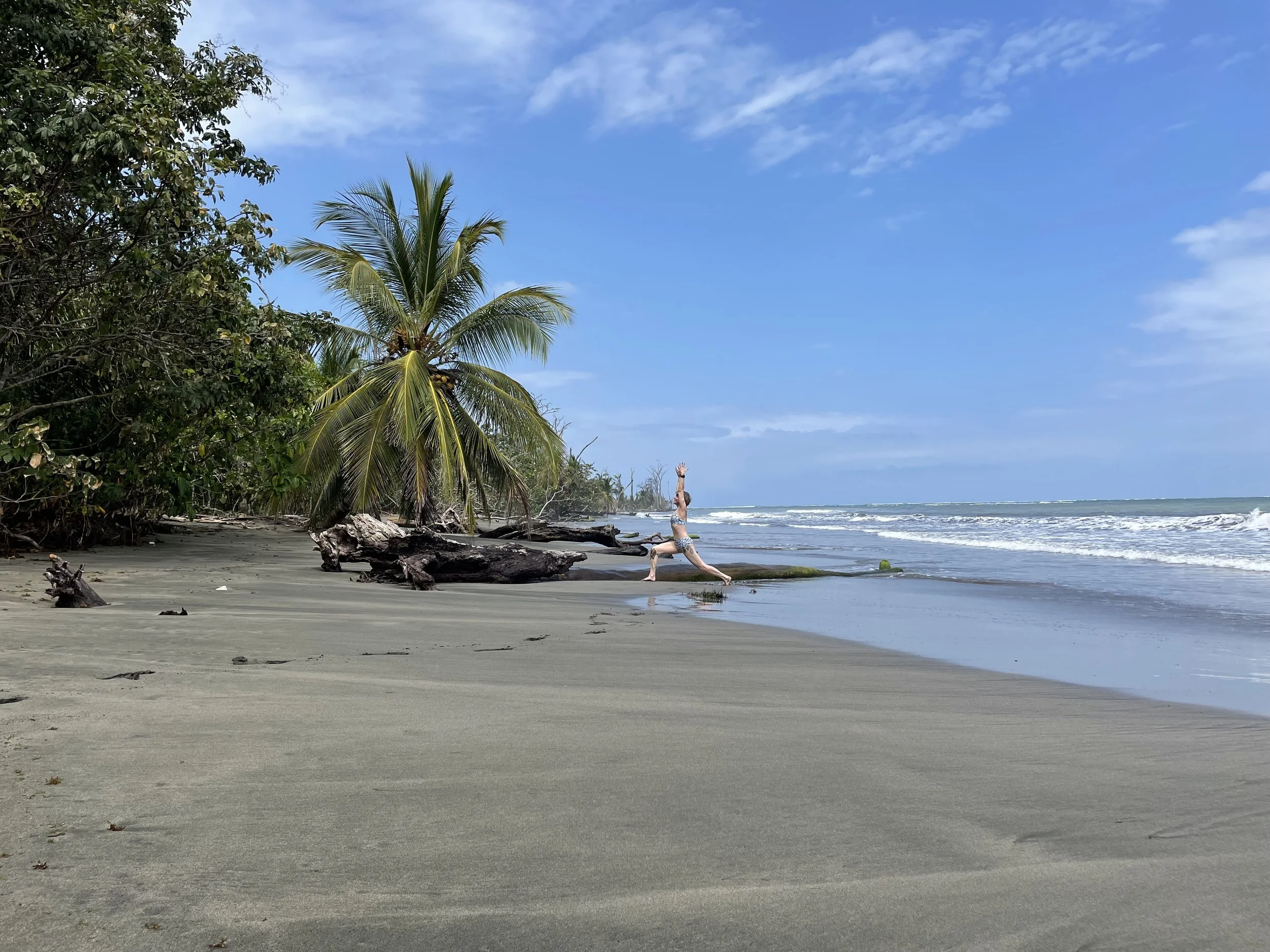
Photo credit: Tanja Hoppmann
When I spent time in Guatemala in the mid nineties, I remember struggling with the fluidity of time.
It’s not that I needed a definite start and finish to activities. In fact, while my brain screamed in panic, my body enjoyed the flexibility that came with not knowing — and not always caring — when one situation morphed into another. It felt like life, joyously, integratedly, in a way my Northern European cultural background couldn’t capture.
Still, I struggled, in particular with the “maybe the bus will come today, maybe it won’t” concept. Whatever else was true, I had places to be and things to do. Forward movement was important to me.
But perceptions change. When I was living in Peru in the early aughts, I remember joining my Peruvian colleagues in marveling at an American visitor’s strict time-table. She anticipated starting meetings at 13 minutes past the hour, and finishing at T:42. Who did that? We do, a voice inside me whispered, and I no longer really know why.
I am not trying to claim punctuality and clarity in concept don’t matter to me. They do. “Wasting time” exists in my internal vocabulary, leading to thoughts like “I don’t have time for this” or “this meeting could have been an email”.
And yet. In the intervening 30 years, I have come to know with my body the truth of the maxim, we must move at the speed of trust. I have come to relish my unstructured morning moment with my piping hot coffee, remembering every day the joy that comes with presence and spaciousness and calm. I have come to see how forward movement also is generated by standing still: contemplating the paths before us, taking time to notice if we are all still here.
In many ways, time to reflect and connect is no longer something I merely believe to be necessary, a preference born of habit. It is something I know to be a truth of solid human interaction, just like I know intellectual certainty to be fictitious unless it is grounded in experiential networked truth.
This is all coming to a head these days, as I am integrating in an organisation with a decided Northern European culture: starting and ending early, short “effective” meetings, defined blocks of structured time. I am the interloper, and so I try to adapt. And yet all of my being rebels. Is it that I am older, or just that people are different wherever you go? Hard to know.
As it is, I think back to the poetry I wrote and published in my early 20s, longing for “holes in ordinary time”. Maybe I already knew what I needed, even as I lived my life differently. Maybe the “ordinary time” I existed in was way too structured, and what I longed for was time as it truly is: life.