To be an immigrant
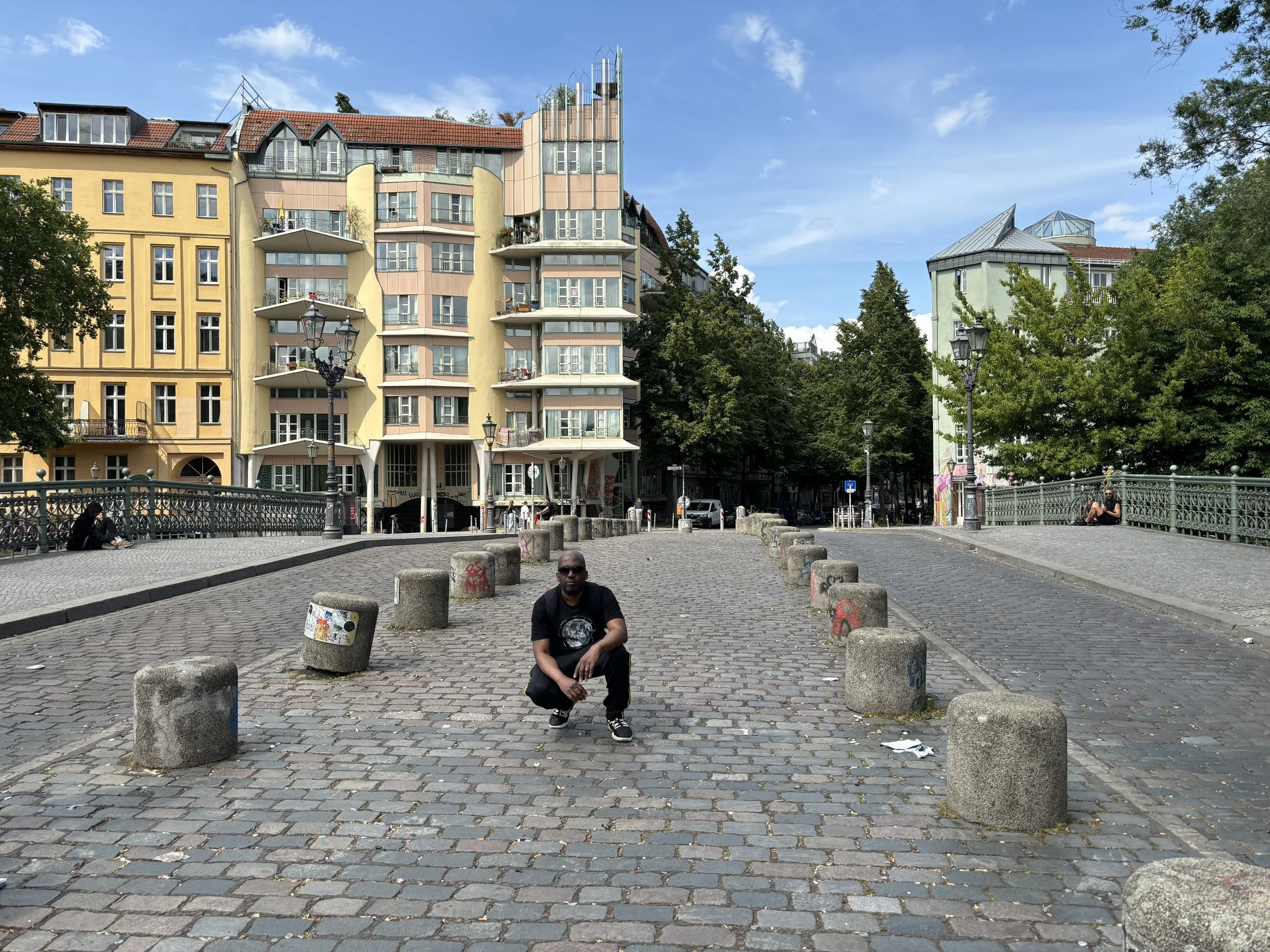
Photo credit: Marianne Møllmann 2024
I was sitting alone at the main United Nations building in Geneva when I received an email from my lawyer with the news that my permanent residency status in the US had been approved. I looked around for someone to tell: it somehow didn’t feel real until I had shared it. The only other person in the room was a young diplomat from Rwanda who I’d met only the day before when I tried to convince him to support gender mainstreaming the UN Human Rights Council. He shook my hand and bought me a coffee to celebrate.
Somehow immigration news, even when positive, feels anticlimactic. It takes so long to apply for visas and permits, to gather all relevant documents in all the relevant translations from all the relevant bureaus, that when someone finally stamps your papers and says, you did enough now, it is hard to trust. You look at your stamped and signed papers again and again to make sure they are legit. Did someone really just say I could stay?
I travel enough to be deeply aware of my passport privilege. I usually get to stand in the shorter line at the border. I have only twice been denied boarding a plane, and then only because airlines are much more zealous than border agents. Both times, when I finally managed to speak to an immigration agent, they took one look at my passport and let me pass.
All of this is front of mind this week, because my husband just had his residency status approved. The process had been cumbersome rather than complicated, and only because it felt so obscure. Online guidance was minimal and contradictory. In the end, we paid for legal advice, which assured us we had been doing the right thing all along.
Again, I sit with the privilege lodged in this: you need money and language skills just to understand what you are required to do.
Folks move across borders for all kinds of reasons, but the most prominent is acute distress. A desire to survive, to have your children survive, a deeply human instinct to do what you need to do to live. Most immigrants have no access to legal advice, and if they possess a passport at all, it is rarely the right color.
These are accidents of birth, not an indication of deservedness, and yet we often speak as if it were. As we move into a season where 30% of the world’s population celebrate the birth of one of the most famous undocumented immigrants in history, let’s remember that. We, none of us, chose where we were born. We did nothing to deserve the fortune or misfortune our origin brings.